Synthetic biologist translating fundamental research into commercial products. PhD research on platform technologies for cross-kingdom genetic engineering, exploring what makes biology programmable at scale. Increasingly focused on the intersection of AI and biological risk — understanding how advances in synthetic biology reshape biosecurity. Currently a Senior Research Fellow in AIxBiosecurity through the Cambridge Boston Alignment Initiative, working on large language model evaluations.
In my free time, I'm (unsurprisingly) passionate about food culture, including baking, gardening, winemaking, and serving as a Good Food Awards Judge.
Education
Ph.D., Food Science & Technology
Cornell University
Expected Dec 2026
B.A., Biology; Minor: Environmental Science
Middlebury College
Publications
- Evaluating cellular roles and phenotypes associated with trehalose degradation genes in Saccharomyces cerevisiae, G3 Genes|Genomes|Genetics (2024)View
- The Sensorial and Chemical Changes in Beer Brewed with Yeast Genetically Modified to Release Polyfunctional Thiols from Malt and Hops, Fermentation (2022)View
Patents
- Methods and compositions for reduced-ethanol in fermented beverages (2025, Invention Disclosure) — Stadulis, S.E.; Gibney, P.A.
- Grape Stilbenes for Improved Gut Function and Health (2024, Provisional) — Tako, E.; Agarwal, N.; Stadulis, S.E.; et al.
- Methods and compositions for gamma-decalactone biosynthesis in fermented beverages (2022, WIPO) — Li, Denby, Roop, Harris, StadulisView
Selected Projects
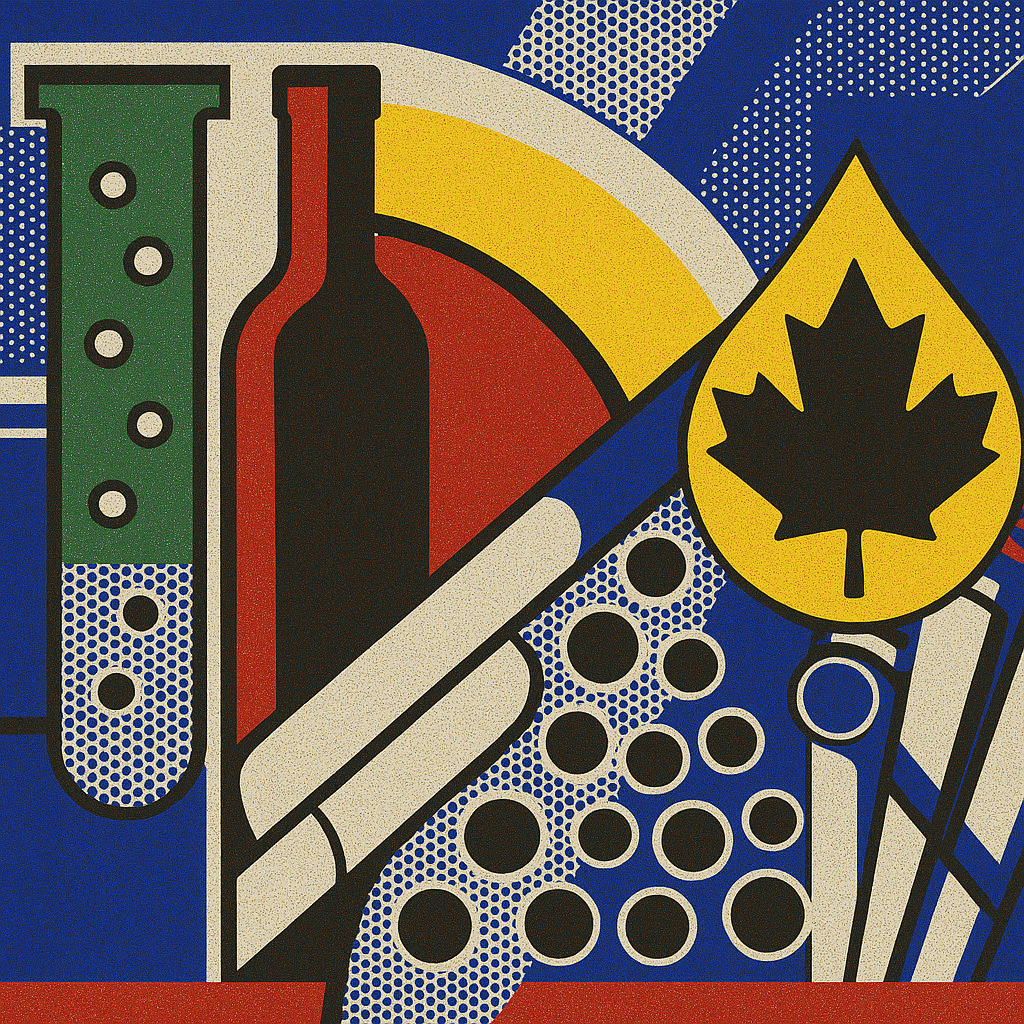
Engineered and characterized 60+ Saccharomyces cerevisiae strains for novel fermented products, bioprotection, and waste valorization; commercialized 5 of 8 products across wine and maple syrup industries.
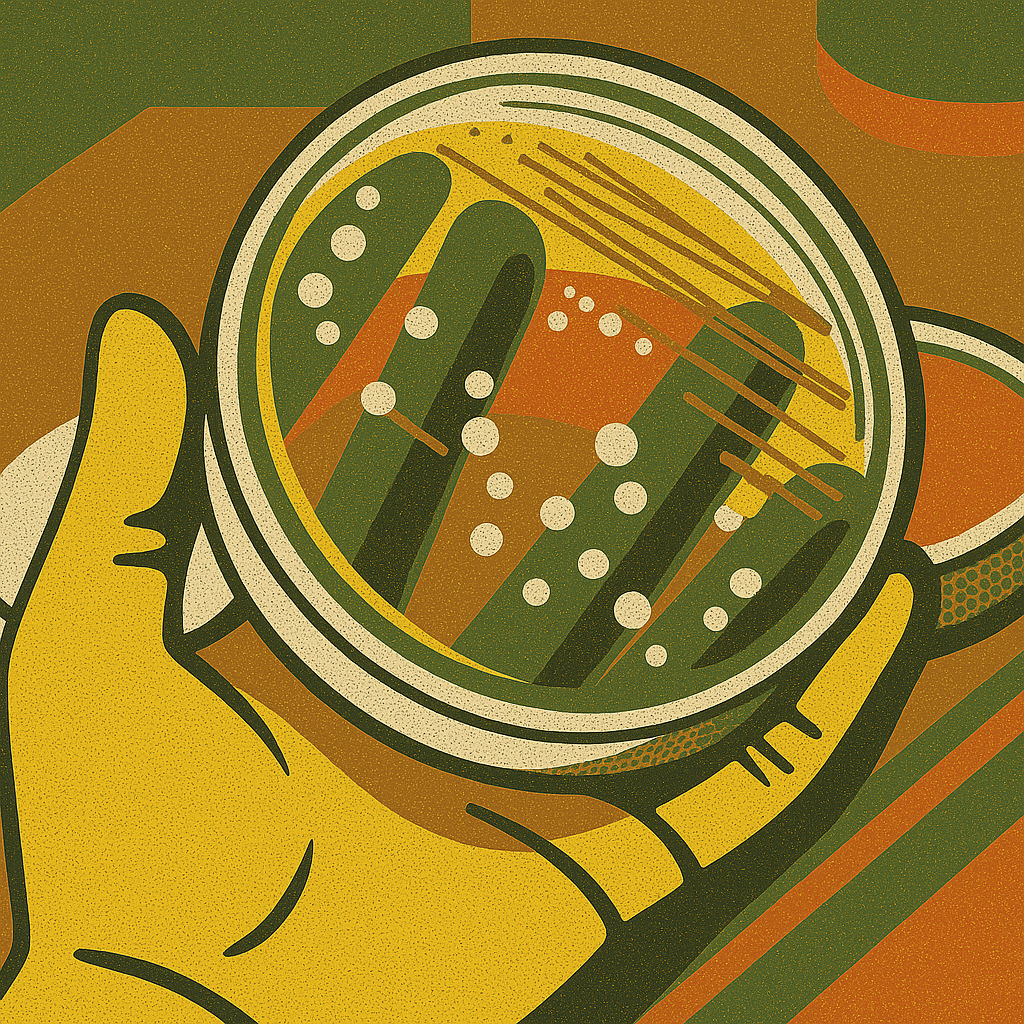
Collaborated with MIT MechE to develop a high-throughput microfluidic electroporation device for genetic engineering applications, reducing transformation time by 75%.
Published research evaluating cellular roles and phenotypes of trehalose degradation genes in yeast, contributing to metabolic engineering strategies.
Work Experience
Leadership & Teaching
- Co-Instructor, Applied Food Microbiology, Cornell University (2025)
- Founder, Data Science for Food Technology Systems Group (2024)
- Conference Organizer, Northeast Regional Yeast Meeting (2023)
- Research Mentor, Gibney Lab, Cornell University (2022–2025)
- Research Mentor, Berkeley Yeast (2019–2022)
Awards & Honors
- ASM Future Leaders Mentorship Fellow (2025–)
- Cornell University Fellowship (2025)
- NSF Graduate Research Fellowship, Honorable Mention (2024)
- SynBioBeta Conference Travel Award from Ginkgo Bioworks ($2,700, 2022)
Industry Engagement
- USDA National Needs Fellowship Program (2024–)
Technical Skills
- Genetic Engineering
- CRISPR/Cas9, plasmid design, electroporation, microfluidic transformation
- Microbial Systems
- Saccharomyces cerevisiae, non-conventional yeasts, lactic acid bacteria
- Quantitative Biology & AI
- growth phenotyping, high-throughput screening, statistical modeling (R, Python), ML for biological design
- Analytical Technology
- GC-MS, HPLC, flow cytometry, fluorescence microscopy
- Translation & Product Dev
- pilot-scale fermentation, sensory evaluation, regulatory strategy
Connect
Feel free to contact me at ses438@cornell.edu